
Flat steel plays an important role in many heavy industries, particularly in shipbuilding, marine engineering, and large steel structures. Because of its specific cross-sectional shape, the cutting quality of flat steel directly affects the accuracy of welding, structural assembly, and overall production efficiency.
For a long time, manufacturers have relied on flame cutting or plasma cutting to process flat steel components. These methods are widely used, but they often introduce challenges such as inconsistent cut quality, large heat-affected zones, and visible thermal deformation.
As production standards continue to rise, many fabrication companies are exploring alternative technologies that can deliver higher precision and more stable results. One of the solutions gaining attention is laser cutting for flat steel processing.
Why Laser Cutting Is Well Suited for Flat Steel
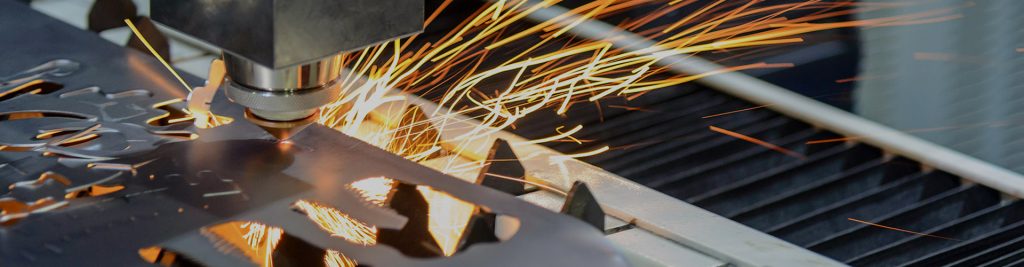
Laser cutting uses a focused, high-energy beam to melt or vaporize metal along a very narrow cutting path. Because the energy is concentrated in a small area, the surrounding material experiences far less thermal stress compared with traditional cutting methods.
For flat steel components, this characteristic is particularly important. The reduced heat-affected zone helps minimize deformation, allowing the cut edges to remain straight and dimensionally accurate.
Another advantage is cutting precision. Modern laser systems are controlled by CNC programs, enabling extremely accurate positioning. This allows manufacturers to match complex structural designs more reliably and maintain tighter tolerances across multiple parts.
The cleaner edges produced by laser cutting also improve the efficiency of downstream processes. When parts fit together more precisely, welding adjustments and manual corrections can be significantly reduced.
Efficiency Benefits in Large-Scale Fabrication
In addition to precision, production efficiency is another reason why laser cutting is becoming more common in flat steel processing.
Modern laser cutting systems can automate several steps that previously required manual work. Loading, positioning, and cutting can all be controlled by integrated CNC software, allowing operators to process multiple components with minimal intervention.
Many machines also incorporate intelligent nesting software, which arranges cutting paths in a way that maximizes material utilization. This reduces scrap and helps manufacturers make better use of raw steel materials.
Compared with manual flame cutting operations, laser cutting offers several operational advantages:
- faster cutting speeds
- consistent quality across large batches
- reduced labor intensity
- fewer manual adjustments during production
These improvements can have a significant impact on overall production throughput in shipyards or steel fabrication workshops.
Digital Integration and Smart Manufacturing
Another factor driving the adoption of laser cutting technology is its compatibility with digital manufacturing systems.
Modern cutting equipment can be connected to MES (Manufacturing Execution Systems) and other production management platforms. This allows companies to collect real-time production data, track processing parameters, and analyze machine performance.
With this level of digital integration, production processes become easier to monitor and optimize. Manufacturers gain better visibility into material usage, production timelines, and equipment efficiency.
In industries such as shipbuilding—where projects often involve large numbers of structural components—this transparency can help improve planning and reduce production delays.
Applications in Shipbuilding and Structural Engineering
Flat steel laser cutting is particularly valuable in industries where structural accuracy and reliability are critical.
Shipbuilding
Ship hull structures rely heavily on flat steel components used in frames, reinforcements, and load-bearing structures. Precise cutting helps ensure proper alignment during assembly, which directly affects the structural integrity of the vessel.
Steel Structure Fabrication
Large steel buildings, bridges, and industrial frameworks often incorporate flat steel elements. Laser cutting allows these parts to be processed with consistent precision, which simplifies installation and welding on site.
Marine Engineering
Offshore platforms and marine infrastructure require durable steel components capable of withstanding harsh operating conditions. Accurate cutting improves structural fit and contributes to long-term reliability.
A Technology Supporting Modern Fabrication
As industries move toward higher production standards and more efficient workflows, technologies that improve both precision and efficiency become increasingly valuable.
Laser cutting offers manufacturers a practical way to improve the processing quality of flat steel while also supporting automation and digital manufacturing strategies.
For companies involved in shipbuilding, marine engineering, or large steel structure fabrication, adopting laser cutting technology can help reduce production time, improve component consistency, and support more advanced structural designs.
As laser equipment continues to evolve, its role in heavy industrial manufacturing is expected to expand even further.