
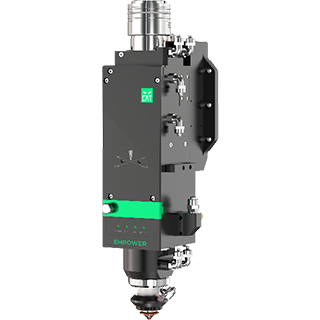
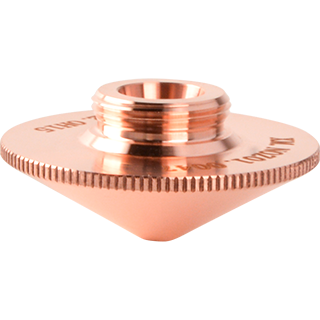

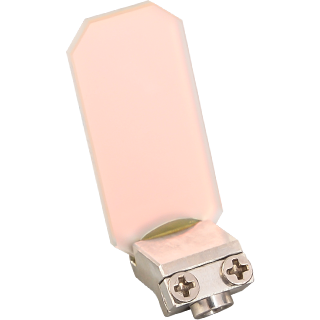
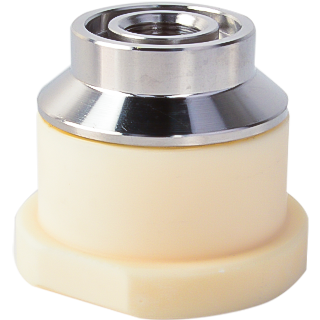
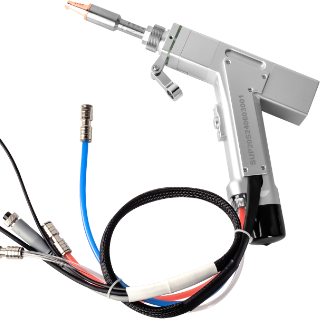

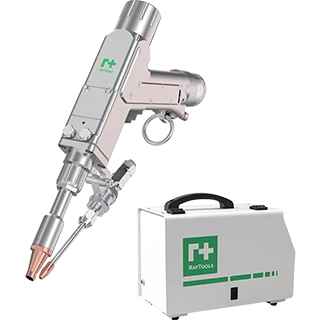
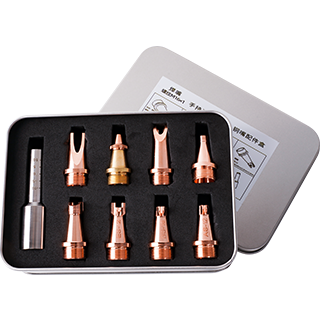
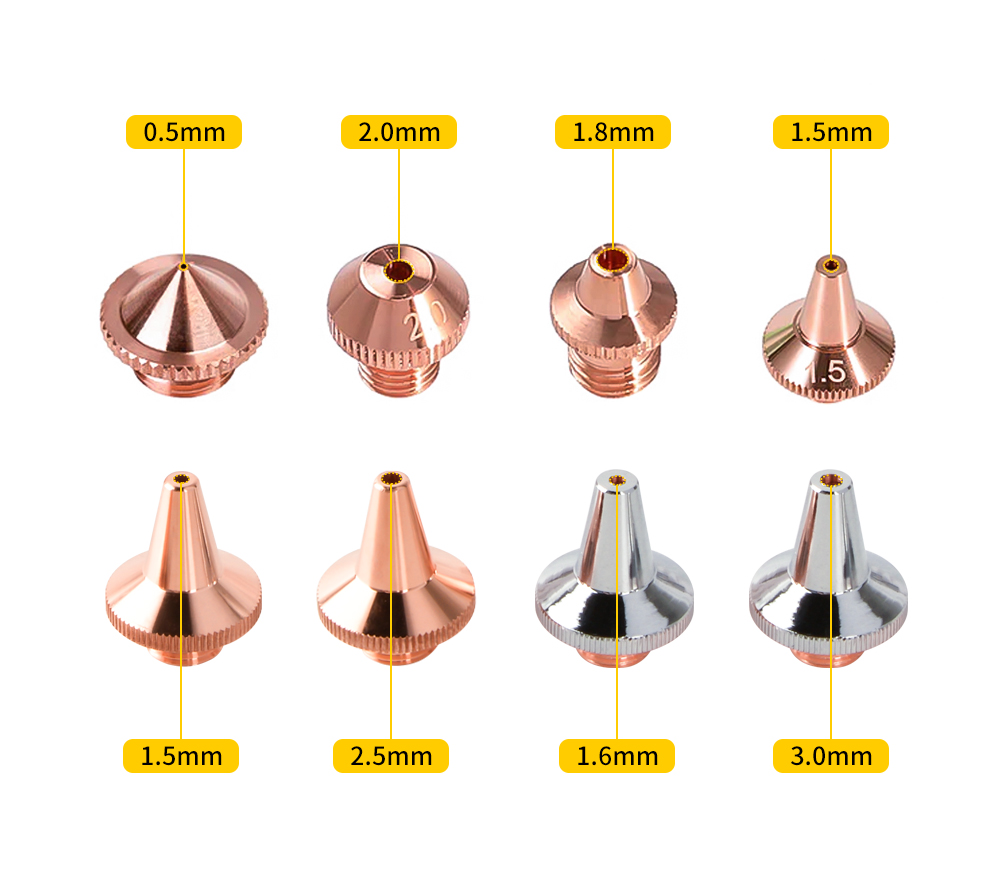
In fiber laser cutting systems, the laser nozzle is one of the most important consumable components. Although it is small in size, it plays a key role in controlling gas flow, improving cutting accuracy, and protecting the laser head.
A high-quality laser cutting nozzle ensures stable assist gas delivery and helps remove molten metal from the cutting area. Choosing the correct nozzle can significantly improve cutting performance and reduce production costs.
This guide explains:
What a laser nozzle is
Types of laser cutting nozzles
Laser nozzle size selection
How to choose the right nozzle for different materials
Laser Nozzle Maintenance Tips
What Is a Laser Nozzle
A laser nozzle is installed at the bottom of the laser cutting head and directs assist gas to the cutting area. The gas flow helps remove molten material and prevents slag from sticking to the workpiece.
Laser nozzles perform several important functions:
• Deliver assist gas to the cutting zone
• Remove molten metal during cutting
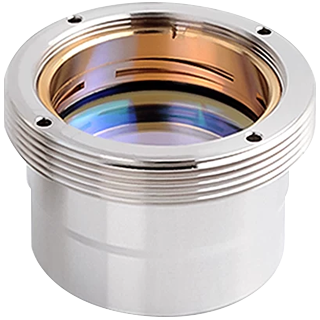
• Protect the focusing lens from debris
• Improve cutting precision and edge quality
Most fiber laser nozzles are made from high-conductivity copper or chrome-plated copper to ensure durability and heat resistance.
Types of Laser Nozzles
Different cutting processes require different nozzle structures. The most common types include single-layer and double-layer nozzles.
- Single Layer Laser Nozzle
A single layer laser nozzle has a simple structure with one gas channel.
It is typically used for oxygen cutting processes, especially when cutting carbon steel.
Main features:
Simple design\Low cost\Stable oxygen cutting performance
Common applications:
Carbon steel cutting\Medium thickness sheet metal\General industrial processing
- Double Layer Laser Nozzle
A double layer laser nozzle contains two gas channels.
The inner channel delivers cutting gas while the outer channel stabilizes airflow.
Advantages:
Improved gas flow stability\Higher cutting precision\Better surface quality
Double layer nozzles are commonly used for nitrogen cutting of stainless steel and aluminum.
- High Speed Laser Nozzle
High-speed laser nozzles are designed to increase gas velocity and improve cutting speed.
They are typically used in automated industrial production where cutting efficiency is critical.
Laser Nozzle Size Chart
Laser nozzle size directly affects gas pressure and cutting performance.
Common sizes include:
Nozzle Diameter Application
0.8 mm Thin sheet cutting
1.0 mm Stainless steel cutting
1.5 mm Medium thickness materials
2.0 mm General cutting applications
3.0 mm+ Thick plate cutting
Smaller nozzles provide higher cutting precision, while larger nozzles allow better gas flow for thick materials.
How to Choose the Right Laser Nozzle
Selecting the correct fiber laser cutting nozzle depends on several key factors.
- Material Type
Different materials require different cutting gases and nozzle types.
Carbon steel
Typically uses oxygen cutting and single-layer nozzles.
Stainless steel
Uses nitrogen cutting and double-layer nozzles.
Aluminum
Requires stable nitrogen flow, making double-layer nozzles ideal.
- Material Thickness
Material thickness determines nozzle diameter.
Thin sheet metal usually requires smaller nozzles.
Thicker plates require larger nozzle openings to allow stronger gas flow.
- Laser Power
Higher power laser machines require larger nozzle diameters.
Example guidelines
3000W machines
Usually use smaller nozzles.
6000W and above
Require larger nozzle openings and stronger gas flow.
- Cutting Gas Type
The assist gas used during cutting also affects nozzle selection.
Common gases include
Oxygen
Used for carbon steel cutting.
Nitrogen
Used for stainless steel cutting.
Compressed air
Used for cost-efficient cutting operations.
Laser Nozzle Maintenance Tips
Regular maintenance helps extend nozzle life and maintain cutting quality.
Recommended practices
Inspect nozzles regularly for wear or deformation.
Clean nozzles after cutting operations to remove debris.
Replace damaged nozzles immediately to avoid cutting defects.
Store spare nozzles in a clean and dry environment.