






Top 10 Fiber Laser Cutting Problems and How to Fix Them
Fiber laser cutting is a precise and efficient manufacturing process, but even experienced operators encounter problems that affect cut quality and productivity. Understanding these common issues and knowing how to fix them can save you significant time and money.
In this comprehensive guide, we cover the top 10 fiber laser cutting problems, their root causes, and step-by-step solutions to get your machine back to optimal performance.
1. Incomplete Cuts (Cutting Through Failure)
Symptoms
- The laser beam does not fully penetrate the material
- Parts remain attached to the sheet
- Uneven cut lines with uncut sections
Causes
- Laser power too low for material thickness
- Cutting speed too fast
- Assist gas pressure insufficient
- Focus position incorrect
- Nozzle worn or damaged
Solutions
- Increase laser power or reduce cutting speed for thicker materials
- Check assist gas pressure — ensure adequate flow for the material type
- Verify focus position — adjust to the correct focal point for material thickness
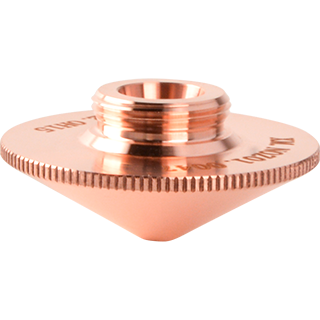
- Replace worn nozzle — a damaged nozzle disrupts gas flow and beam quality
2. Excessive Dross (Slag Formation)
Symptoms
- Rough, jagged edges with attached metal slag
- Secondary cleanup required
- Increased post-processing time
Causes
- Oxygen assist gas used on materials prone to oxidation
- Cutting speed too slow
- Nozzle standoff distance incorrect
- Laser power too high for material thickness
Solutions
- Switch to nitrogen for cleaner cuts on stainless steel and aluminum
- Increase cutting speed to reduce heat buildup
- Adjust nozzle standoff to 1-2mm for optimal gas flow
- Reduce laser power slightly to minimize melting
3. Rough Cut Edges
Symptoms
- Uneven, serrated edges instead of smooth cuts
- Visible striations on cut surface
- Poor edge quality affecting fit and finish
Causes
- Nozzle misalignment
- Incorrect gas type or pressure
- Worn or damaged focusing lens
- Vibration in the machine
Solutions
- Check nozzle alignment — ensure concentric with laser beam
- Verify gas settings — match gas type and pressure to material
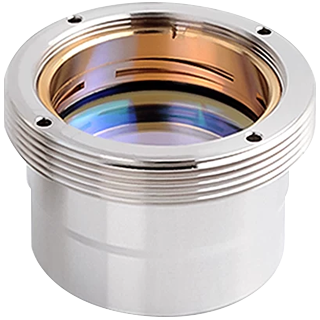
- Inspect and replace lens if scratched or contaminated
- Check machine stability — tighten loose components
4. Burnt Edges on Thin Materials
Symptoms
- Darkened, discolored edges on thin sheets
- Material warping near cut lines
- Excessive heat-affected zone
Causes
- Laser power too high for thin material
- Cutting speed too slow
- Focus position too deep
Solutions
- Reduce laser power or increase cutting speed
- Adjust focus to the top surface of thin materials
- Use pulse mode instead of continuous wave for thin sheets
5. Inconsistent Cut Quality
Symptoms
- Cut quality varies across the workpiece
- Some areas cut cleanly, others poorly
- Unpredictable results
Causes
- Uneven material surface
- Inconsistent gas delivery
- Temperature fluctuations
- Worn machine components
Solutions
- Check material flatness before cutting
- Inspect gas lines for leaks or blockages
- Maintain stable environment temperature
- Schedule regular maintenance for wear parts
6. Nozzle Damage and Clogging
Symptoms
- Degraded cut quality
- Uneven gas flow
- Frequent nozzle replacement needed
Causes
- Spatter and molten metal sticking to nozzle tip
- Incorrect standoff distance
- Poor gas quality
Solutions
- Clean nozzle regularly with appropriate solvent
- Maintain correct standoff distance (typically 1-2mm)
- Use high-quality assist gas with proper filtration
- Keep spare nozzles in inventory for quick replacement
7. Lens Contamination
Symptoms
- Gradual decline in cut quality
- Reduced laser power reaching the workpiece
- Uneven beam distribution
Causes
- Dust and debris in cutting environment
- Spatter from cutting process
- Improper handling during maintenance
Solutions
- Clean lenses regularly with lint-free wipes and optical cleaner
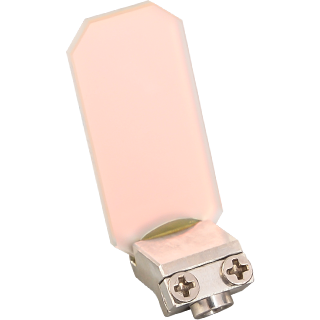
- Install protective windows to shield expensive optics
- Maintain clean work environment with proper dust extraction
8. Incorrect Focus Position
Symptoms
- Poor penetration or excessive melting
- Inconsistent kerf width
- Difficulty achieving clean cuts
Causes
- Manual focus adjustment errors
- Worn focus mechanism
- Material thickness variations
Solutions
- Use auto-focus systems where available
- Calibrate focus regularly using test cuts
- Measure material thickness accurately before cutting
9. Assist Gas Pressure Issues
Symptoms
- Excessive dross or poor cut quality
- Material discoloration
- Inconsistent cutting performance
Causes
- Gas regulator malfunction
- Leaks in gas delivery system
- Incorrect pressure settings for material
Solutions
- Check and calibrate regulators regularly
- Inspect gas lines for leaks
- Follow manufacturer pressure recommendations for each material
10. Material Warping
Symptoms
- Sheet metal bends or distorts during cutting
- Parts no longer flat after cutting
- Difficulty with precision applications
Causes
- Excessive heat input
- Inadequate workpiece support
- Small part geometry with little material around cuts
Solutions
- Reduce heat input by increasing speed or reducing power
- Use proper support structures like slat tables or pin supports
- Optimize nesting to maintain material integrity
- Allow cooling time between cuts on small features
Prevention Best Practices
To minimize these problems, follow these preventive maintenance tips:
- Regular maintenance schedule — inspect and replace consumables before they fail
- Keep detailed logs of cutting parameters and results for troubleshooting
- Train operators on proper machine operation and maintenance
- Use quality consumables from trusted suppliers like ZNK LASER
- Maintain clean environment to protect optics and mechanical components
Conclusion
Most fiber laser cutting problems can be prevented or quickly resolved with proper knowledge and maintenance. By understanding these common issues and their solutions, you can maintain high cut quality and maximize your machine uptime.
For quality laser consumables including nozzles, ceramic rings, and protective lenses, visit ZNK LASER or contact us for expert advice on optimizing your cutting operations.