


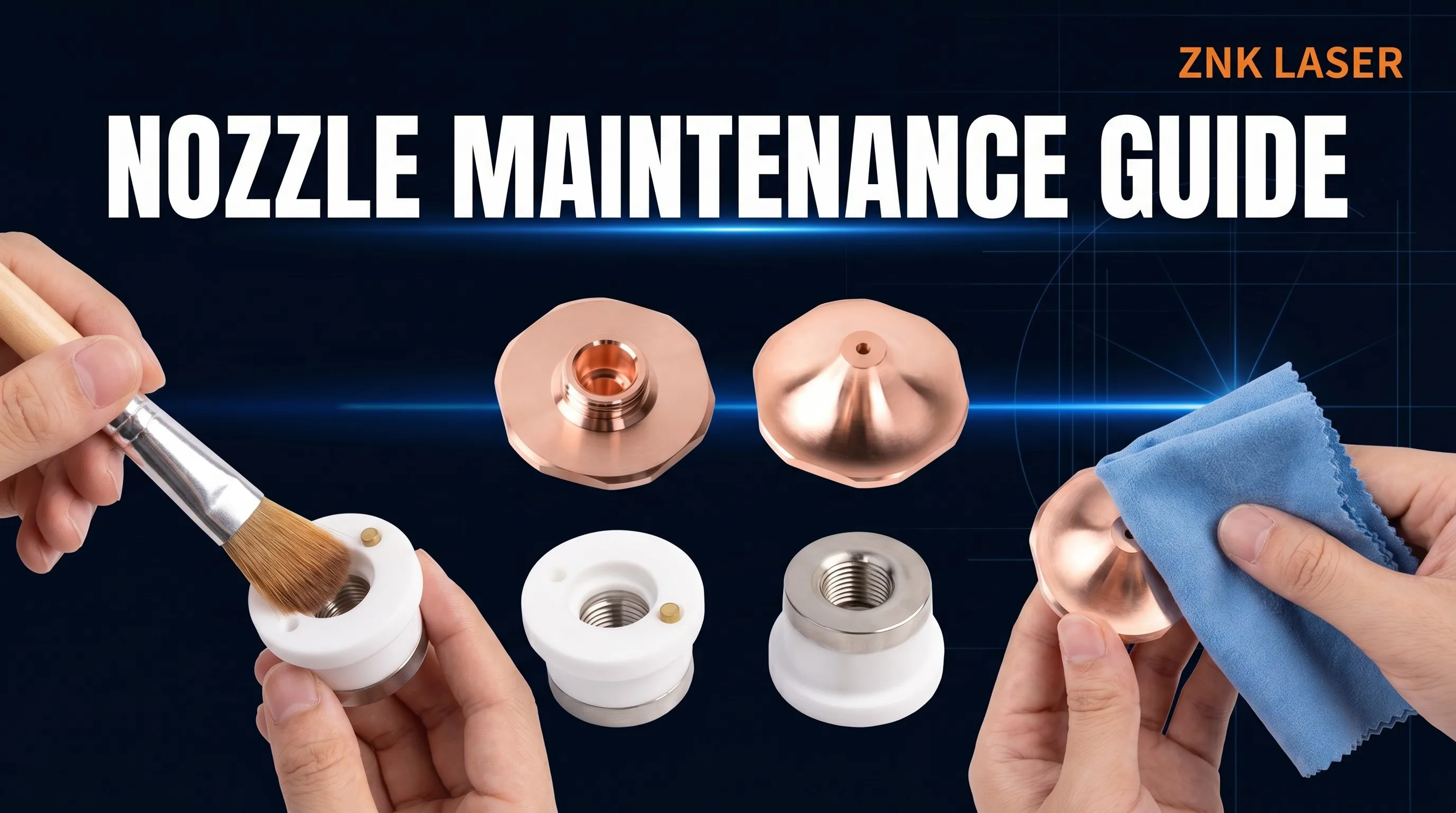
Laser Cutting Nozzle Maintenance: How to Extend Lifespan and Save Costs
Laser cutting nozzles are critical consumables that directly affect cut quality and operating costs. With proper maintenance, you can significantly extend nozzle lifespan and reduce replacement expenses by up to 60%.
This comprehensive guide covers everything you need to know about laser nozzle maintenance, from daily cleaning routines to advanced troubleshooting techniques.
Why Nozzle Maintenance Matters
A well-maintained nozzle ensures:
- Consistent cut quality and precision
- Reduced gas consumption
- Longer intervals between replacements
- Lower overall operating costs
- Prevention of costly damage to cutting head optics
Daily Maintenance Routine
1. Visual Inspection
Before starting production:
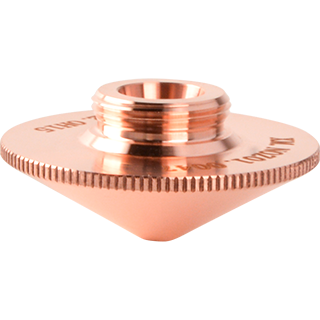
- Check nozzle tip for spatter buildup
- Inspect orifice for damage or deformation
- Look for signs of overheating (discoloration)
- Verify nozzle is properly seated and aligned
2. Cleaning Procedure
Recommended cleaning method:
- Remove nozzle from cutting head
- Soak in appropriate solvent (acetone or alcohol)
- Use soft brush to remove loose debris
- Clean orifice with wooden stick (never metal)
- Rinse with clean solvent
- Dry with lint-free cloth
- Inspect under magnification
3. Gas System Check
- Verify gas pressure is within specifications
- Check for moisture in gas lines
- Inspect filters and replace if dirty
- Ensure gas type matches material requirements
Weekly Maintenance
1. Deep Cleaning
- Ultrasonic cleaning for heavily soiled nozzles
- Inspect internal passages for blockages
- Check thread condition
2. Measurement and Documentation
- Measure orifice diameter with pin gauges
- Record measurements for trend analysis
- Photograph nozzle condition for records
3. Cutting Head Inspection
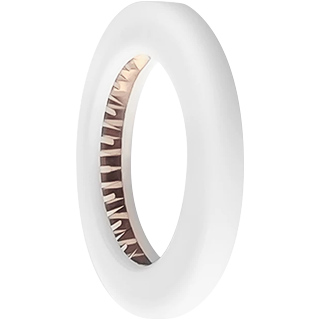
- Check ceramic ring condition
- Inspect sensor functionality
- Verify focus position accuracy
Monthly Maintenance
1. Comprehensive Assessment
- Review all nozzle replacement records
- Analyze wear patterns and causes
- Update maintenance procedures based on findings
2. Inventory Management
- Count current nozzle inventory
- Order replacements based on usage rate
- Rotate stock (FIFO method)
Signs of Nozzle Wear
Early Warning Signs
- Slight degradation in cut edge quality
- Minor increase in dross
- Slightly rougher cut surface
Critical Wear Indicators
- Visible deformation of orifice
- Significant spatter buildup that cannot be removed
- Cracks or chips in nozzle body
- Dramatic increase in gas consumption
- Poor height sensing performance
Common Causes of Premature Wear
1. Incorrect Standoff Distance
Too close: Excessive spatter buildup, overheating
Too far: Poor gas flow, reduced cut quality
Solution: Maintain 1-2mm standoff for most applications
2. Improper Gas Settings
Pressure too high: Excessive turbulence, nozzle erosion
Pressure too low: Inadequate assist, poor cut quality
Solution: Follow manufacturer specifications for each material
3. Contaminated Gas Supply
Moisture: Oxidation, poor cut quality
Oil contamination: Spatter adhesion, fire hazard
Solution: Install proper filtration and drying systems
4. Incorrect Material Settings
Power too high: Excessive melting, nozzle damage
Speed too slow: Heat buildup, warping
Solution: Use optimized cutting parameters for each material
Advanced Maintenance Techniques
1. Preventive Replacement Strategy
Replace nozzles before failure:
- Track usage hours per nozzle
- Establish replacement intervals based on data
- Replace during planned maintenance windows
2. Nozzle Reconditioning
For expensive nozzles, consider:
- Professional reconditioning services
- Orifice re-machining
- Surface treatment and coating
3. Process Optimization
Reduce nozzle wear through:
- Optimized cutting parameters
- Proper material preparation
- Regular machine calibration
Cost Analysis
Without Proper Maintenance
- Frequent nozzle replacements: $15-30 each
- Poor cut quality: Increased scrap rates
- Unexpected downtime: Lost production
- Damage to cutting head: $500-2000+
With Proper Maintenance
- Extended nozzle life: 2-3x longer
- Consistent cut quality: Reduced scrap
- Planned maintenance: Minimal downtime
- Protected cutting head: Longer service life
Troubleshooting Guide
Problem: Excessive Spatter Buildup
Causes:
- Incorrect standoff distance
- Improper gas pressure
- Contaminated gas supply
- Excessive power for material thickness
Solutions:
- Adjust standoff to 1-2mm
- Verify gas pressure settings
- Check and replace gas filters
- Reduce power or increase speed
Problem: Uneven Gas Flow
Causes:
- Partially blocked orifice
- Damaged nozzle tip
- Improper installation
Solutions:
- Clean or replace nozzle
- Check for proper seating
- Verify thread condition
Problem: Rapid Nozzle Wear
Causes:
- Aggressive cutting parameters
- Poor gas quality
- Excessive cutting hours
- Incompatible materials
Solutions:
- Optimize cutting parameters
- Improve gas filtration
- Implement rotation schedule
- Review material compatibility
Best Practices Summary
Do’s
- Clean nozzles daily
- Use proper cleaning tools and solvents
- Maintain correct standoff distance
- Monitor gas quality
- Keep detailed maintenance records
- Replace before complete failure
Don’ts
- Use metal tools to clean orifices
- Ignore early wear signs
- Run with incorrect parameters
- Skip daily inspections
- Use contaminated gas supply
Tools and Supplies Checklist
Essential maintenance items:
- Lint-free cleaning cloths
- Acetone or isopropyl alcohol
- Soft bristle brushes
- Wooden cleaning sticks
- Magnifying glass or microscope
- Pin gauge set
- Ultrasonic cleaner (optional)
- Spare nozzles inventory
Conclusion
Proper laser nozzle maintenance is essential for maintaining cutting quality and controlling costs. By implementing a consistent maintenance routine, monitoring wear patterns, and addressing issues early, you can significantly extend nozzle lifespan and improve overall cutting performance.
For quality laser nozzles and maintenance supplies, visit ZNK LASER. Our technical team can provide guidance on maintenance best practices and help you select the right consumables for your application.